


Comparing How Canada and the EU Regulate Online Play
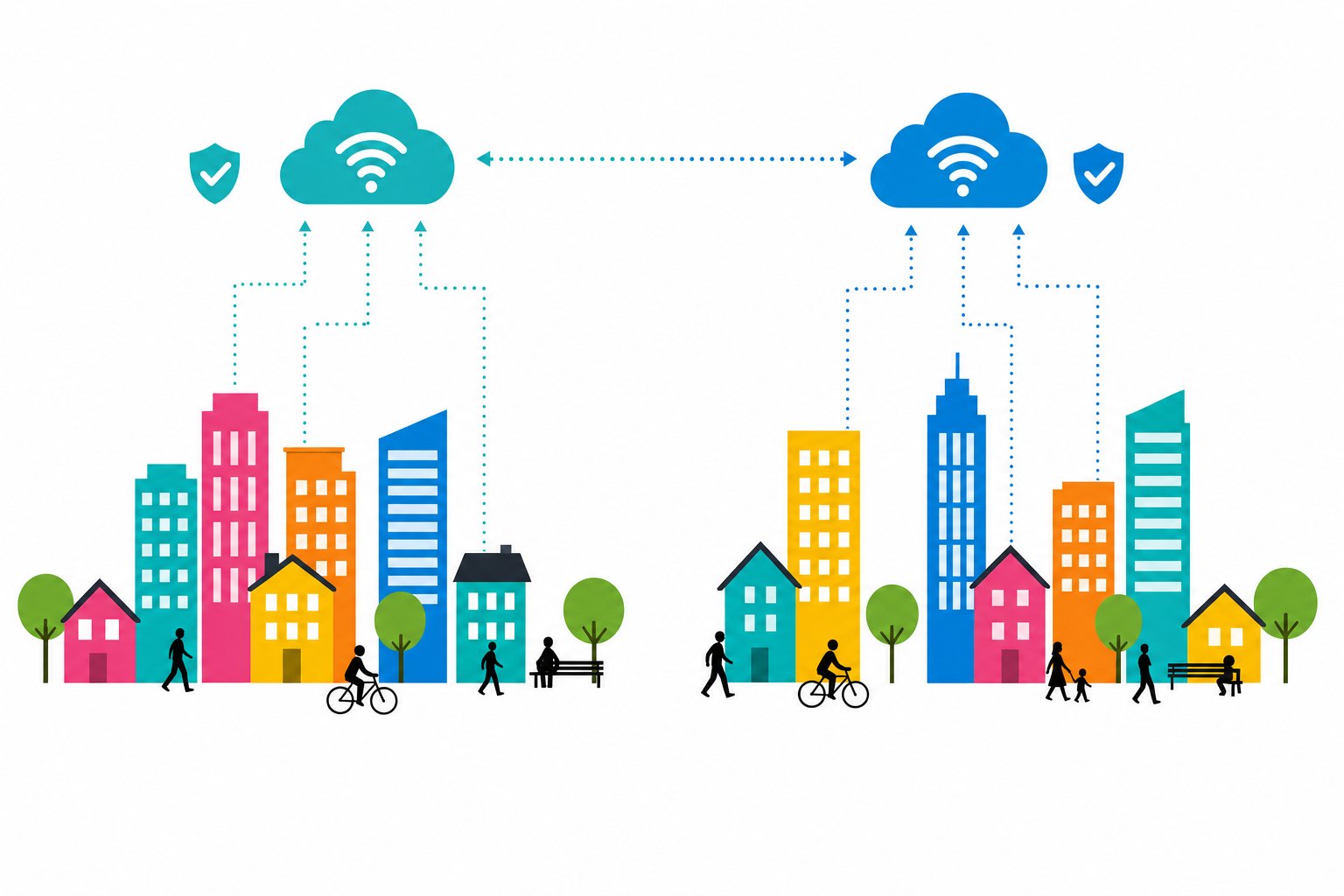
Online gambling is a useful case study for anyone interested in how digital services are governed across borders. As with the city data that ClouT connected through its Cloud of Things concept, the technology works the same everywhere, but the rules around it depend on where the user is. Canada and the European Union have taken noticeably different routes.
Provincial control in Canada
In Canada, the federal Criminal Code allows gambling only when it is conducted and managed by a provincial government. Most provinces therefore run their own online casinos through lottery corporations. Ontario broke from that model in April 2022, when it began registering private operators through the Alcohol and Gaming Commission of Ontario and contracting with them through iGaming Ontario.
How the best online casinos in Canada are assessed
Because offshore sites still accept Canadian players, independent reviews carry a lot of weight, and many players compare operators rated by thestar.com against provincial registration lists before signing up. The main questions are licensing, payment security and responsible gambling tools.
Twenty-seven approaches in the EU
The EU has no common gambling law. Each member state sets its own licensing regime, within limits defined by the Court of Justice, and the European Commission limits itself to recommendations on consumer protection. Sweden, Denmark and the Netherlands license private operators, while other states keep state monopolies.
Both systems face a familiar problem from smart city research: coordinating many local authorities that share infrastructure but not rules. The interoperability questions raised in the ClouT reference architecture and tested in the project’s field trials look very similar when the subject is regulation rather than sensors.
